
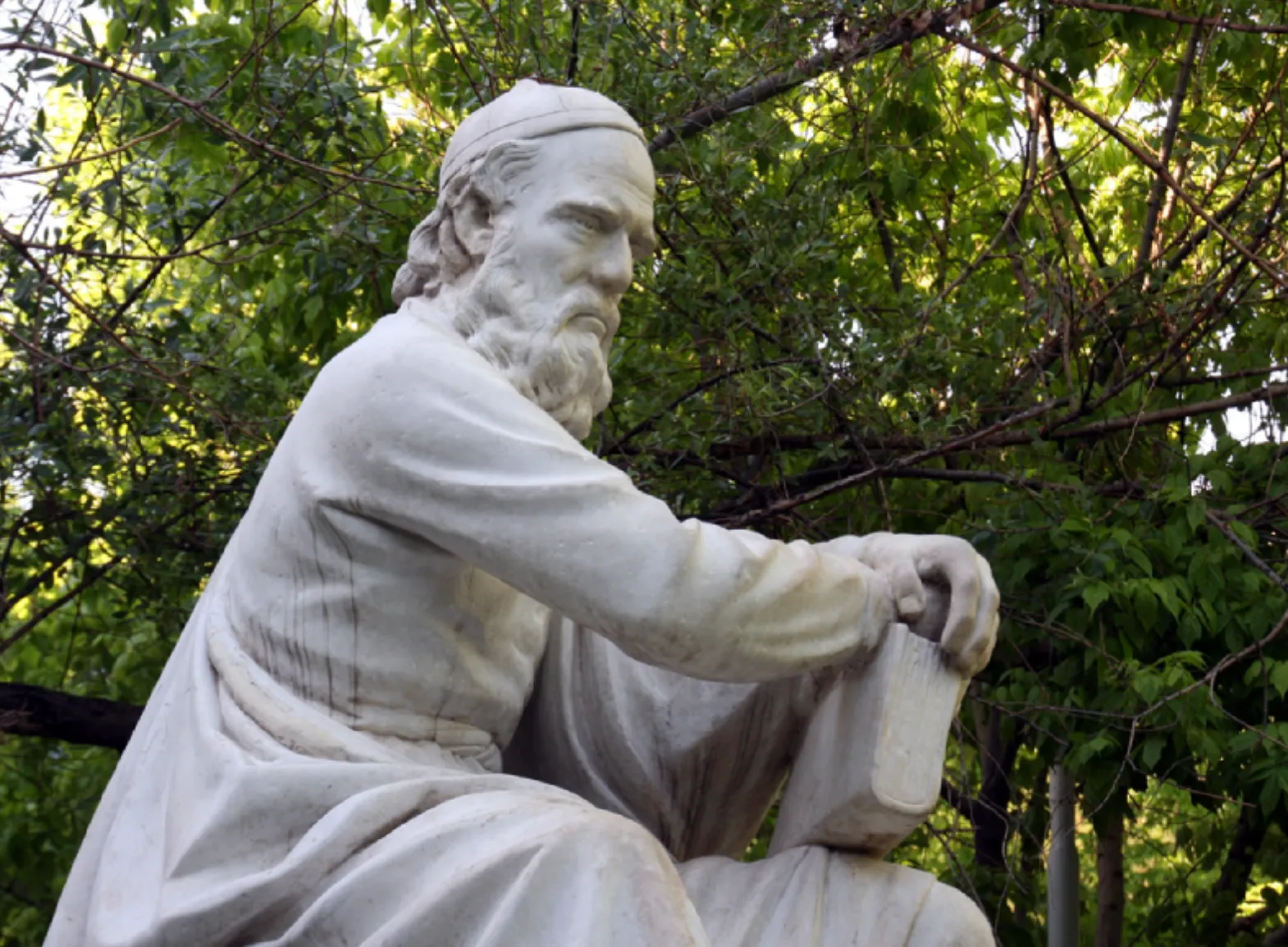
The Spirit of Iran
Iran (also known as Persia) is home to one of the world’s oldest continuous major civilizations, dating back to the 5th millennium BC. Persian poetry, like the culture, has a long and esteemed history and holds a special status in world literature, producing poets like Rumi, Hafez, and Saadi. These poets defined Persian culture with their timeless and philosophical poetry. However, for me, there is one that stands above them all.
Omar Khayyám (1048–1131) known as “the Astronomer-Poet of Persia” is best known for his collection of quatrains, Rubáiyát (The Quatrains) which were translated into English in 1859 by Edward FitzGerald. His works reflects Persian culture through themes of love, nature, spirituality, and the transient nature of life while, as a mathematician and astronomer, also combing elements of philosophy, science, as well as mysticism.
His Rubáiyát has been translated into numerous languages and was introduced to me by an Iranian friend. As conflict continues in Iran, it is my honour to share some of the work in Omar Khayyám’s, Rubáiyát. It exemplifies the spirit of the Iranian people and their enduring culture of strength, beauty and resilience.
Rubáiyát of Omar Khayyám
XXVI
Oh, come with old Khayyám, and leave the Wise
To talk; one thing is certain, that Life flies;
One thing is certain, and the Rest is Lies;
The Flower that once has blown for ever dies.
XXVII
Myself when young did eagerly frequent
Doctor and Saint, and heard great Argument
About it and about: but evermore
Came out by the same Door as in I went.
XXVIII
With them the Seed of Wisdom did I sow,
And with my own hand labour’d it to grow:
And this was all the Harvest that I reap’d –
“I came like Water, and like Wind I go.”
XXXVII
Ah, fill the Cup: – what boots it to repeat
How Time is slipping underneath our Feet:
Unborn TO-MORROW, and dead YESTERDAY,
Why fret about them if TO-DAY be Sweet!
XLII
And lately, by the Tavern Door agape,
Came stealing through the Dusk an Angel Shape
Bearing a Vessel on his Shoulder; and
He bid me taste of it; and ‘twas – the Grape!
LX
And, strange to tell, among that Earthen Lot
Some could articulate, while others not:
And suddenly one more impatient cried –
“Who is the Potter, pray, and who the Pot?”
LXIX
Indeed the Idols I have loved so long
Have done my Credit in Men’s Eye much wrong:
Have drown’d my Honour in a shallow Cup,
And sold my Reputation for a Song.
LXXI
And much as Wine has play’d the Infidel,
And robb’d me of my Robe of Honour – well,
I often wonder what the Vintners buy
One half so precious as the Goods they sell.
Sign up for the monthly newsletter and never miss a word.
